How to Import Green Coffee Beans from Indonesia
Importing green coffee works best when the buyer and exporter define the coffee, commercial requirements, and shipment responsibilities before an order is confirmed. This guide outlines the questions a professional buyer should resolve.
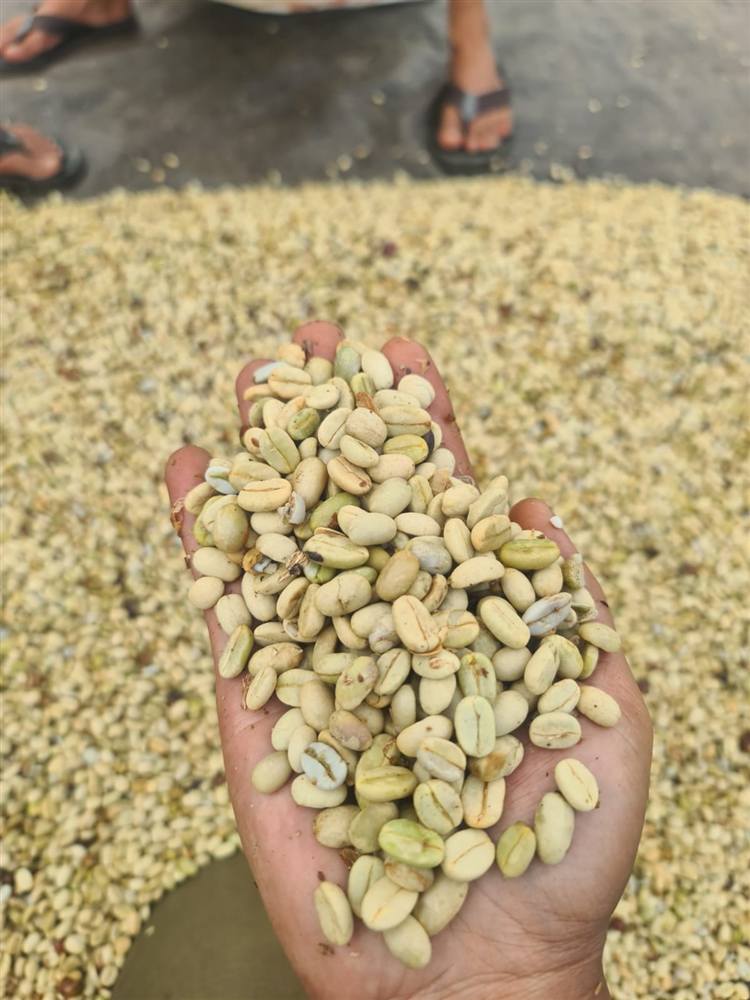
Start with a precise buying brief
A useful inquiry identifies the destination country, expected volume, target quality, preferred process, packaging, and required timeline. These details help an exporter match current lots instead of responding with a generic product list.
- Destination country and port
- Expected volume
- Arabica or Robusta requirement
- Process and cup-profile target
- Packaging and shipment timing
Evaluate a current lot, not a permanent promise
Coffee changes by producer, harvest, and preparation. Ask for the current crop year, variety, moisture, density, screen distribution, defect count, cupping information, available volume, and sample reference. The commercial offer should identify the same lot evaluated by the buyer.
Confirm samples and logistics
Palapa Coffee offers coffee samples without charging for the coffee itself; courier and logistics costs are paid by the buyer. Sample quantity, supporting information, destination, and courier arrangements are confirmed before dispatch.
Agree the shipment framework
Palapa Coffee currently works from an FOB Tanjung Priok starting point. Final preparation time, payment conditions, document set, inspection requirements, and shipment responsibilities are confirmed in writing for the selected lot and destination.
- FOB Tanjung Priok, Jakarta
- L/C or T/T by commercial agreement
- Phytosanitary Certificate and Certificate of Origin as starting documents
- Other destination-specific documents reviewed where possible